Choosing fonts for your wedding invitation may not seem like a big deal. But when you begin to design, you’ll see how important it truly is. The proper font pairing can make your invitation look clean and thoughtful in an instant, while the improper pairing can make it appear sloppy or difficult to read.
So how do you select fonts that complement each other and actually appear professional? The solution isn’t about selecting the most elaborate fonts. It’s balance, contrast, and harmonizing with the atmosphere of your wedding.
This article will take you through everything you need to know about combining fonts for your wedding invitation the correct way.
1. Know What Each Font Is Supposed to Do
Before you select your fonts, consider their function on the invitation. Each font must have a specific role.
There should be one font that takes center stage. This is typically for your titles or the headline. It can be slightly more decorative or attention-grabbing.
The second font is for the remainder of the information: the date, location, and small print. This font should be clear to read and less expressive so it does not compete for attention.
When you know what each font is accomplishing, then it becomes much easier to match them in a manner that appears deliberate and clean.
2. Use Contrast, Not Conflict
Good font combinations often result from employing various styles that complement one another. If both fonts appear too alike, they’ll merge and lose their effect. But if they are too vastly different in tone, they’ll conflict.
Some combinations that normally work are as follows:
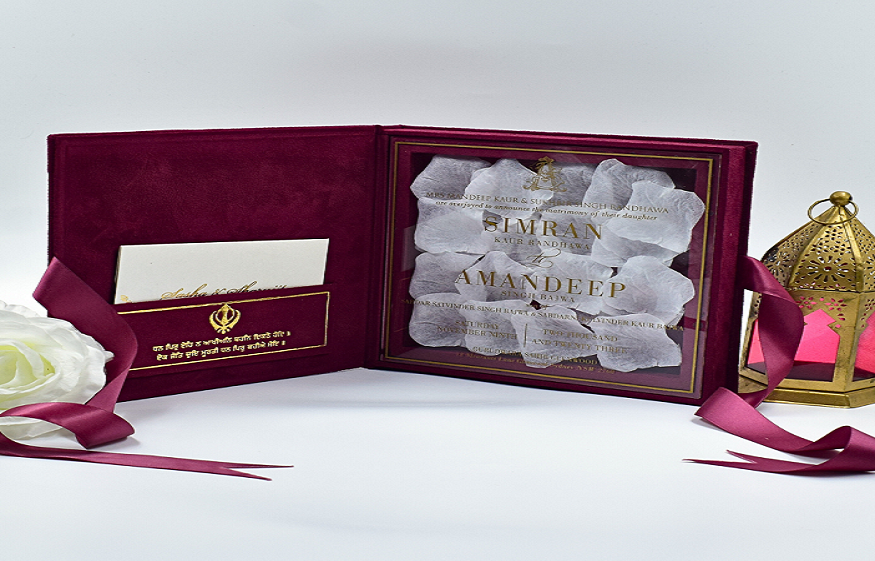
- A gentle script font for names, coupled with a clean serif font for the rest
- A strong contemporary sans-serif font for the title and a light sans-serif font for the details
- A traditional serif font with a casual handwritten font for a relaxed atmosphere
The key is to match fonts that complement one another without competing.
3. Match the Style to Your Wedding
Your font choices should reflect the theme of your wedding ceremony and the tone and style of your wedding invitation. Think of fonts as part of your overall design, just like the flowers or the table settings.
- If your wedding is more formal, go for fonts that feel classic and timeless. A calligraphy-style script with a traditional serif can look very elegant.
- If your wedding is more relaxed or contemporary, you can opt for a playful handwritten script with a clean sans-serif.
- If your wedding is theme-based, such as rustic or vintage, there are fonts available that suit those styles as well. However, make sure that both fonts seem like they could coexist in the same universe.
4. Keep It Simple
You don’t require three or four fonts in order to get your invitation to stand out. Actually, the more fonts you have, the more cluttered it begins to appear.
Two fonts are typically sufficient.
- Choose the primary font for emphasis. This is where your personality shines through. It can be used simply for your names or the key phrase.
- Then, use a second font for everything else. It should be simple, clear, and readable, even at small sizes.
- If you absolutely must have a third font, use it sparingly. Perhaps reserve it for tiny labels such as “RSVP” or “Reception to follow.” Just don’t overdo it.
5. Consider Size and Spacing
Even a fantastic font combination can fail if the spacing and size are unbalanced. Your base font needs to stand out clearly, but never overpower the rest of your content.
Experiment with font sizes until the design looks balanced. Ensure that the crucial information is readable, particularly for elderly guests.
Also, notice the line and letter spacing. If it’s too tight, it’s cramped. If it’s too loose, it becomes disjointed. Practice adjusting until it’s just right on the page.
6. Try the Fonts Before You Make It Final
Don’t trust how fonts appear on screen. Test a printed copy of your design before sending it to be printed.
Some fonts may display beautifully online but are fuzzy, too thin, or difficult to read when printed out. This is particularly the case with dainty scripts or extremely lightweight fonts.
Print on the paper you intend to use. It provides a closer representation of how the fonts will appear in real life, and it’s easier to notice layout problems sooner.
7. Use Tools That Make It Easier
If you’re not a designer, using tools that streamline the process is acceptable. There are sites that enable you to try out font pairings and discover ones that work well together naturally.
A few you can experiment with:
- co
- Canva’s font pairing recommendations
- Typewolf for filtered font inspiration
These resources can save you time and provide ideas that you may not have considered yourself.
Final Thoughts
Font pairing is not about trends or rules. It’s about discovering a pair that you love and that suits your wedding theme.
Begin with the mood of your wedding, select a font that speaks to you, and select another that enhances it without upstaging it. Make it clean, readable, and print out a test copy before sending anything out.
When your fonts are cohesive, your invitation appears deliberate and aligned. That’s all you really need to make your wedding invite professional.
The best way to get your ideal wedding invite is to trust online portals. These online portals provide options to collaborate with you for every detail, whether it’s font style, font size, colors, theme, or any other critical detail. And, if you want a simpler and hassle-free option, you can choose from any trending templates. The last option is toorder invitation card of wedding online, and your special day will reflect your personality.